
Why Cool Maths Games Logic Is the Secret to Smarter Promotional Merchandise Decisions
Discover how applying game-like logic to your promo merch strategy helps Australian businesses choose better branded products and maximise ROI.

Written by
Sawyer Abara
Corporate Gifts
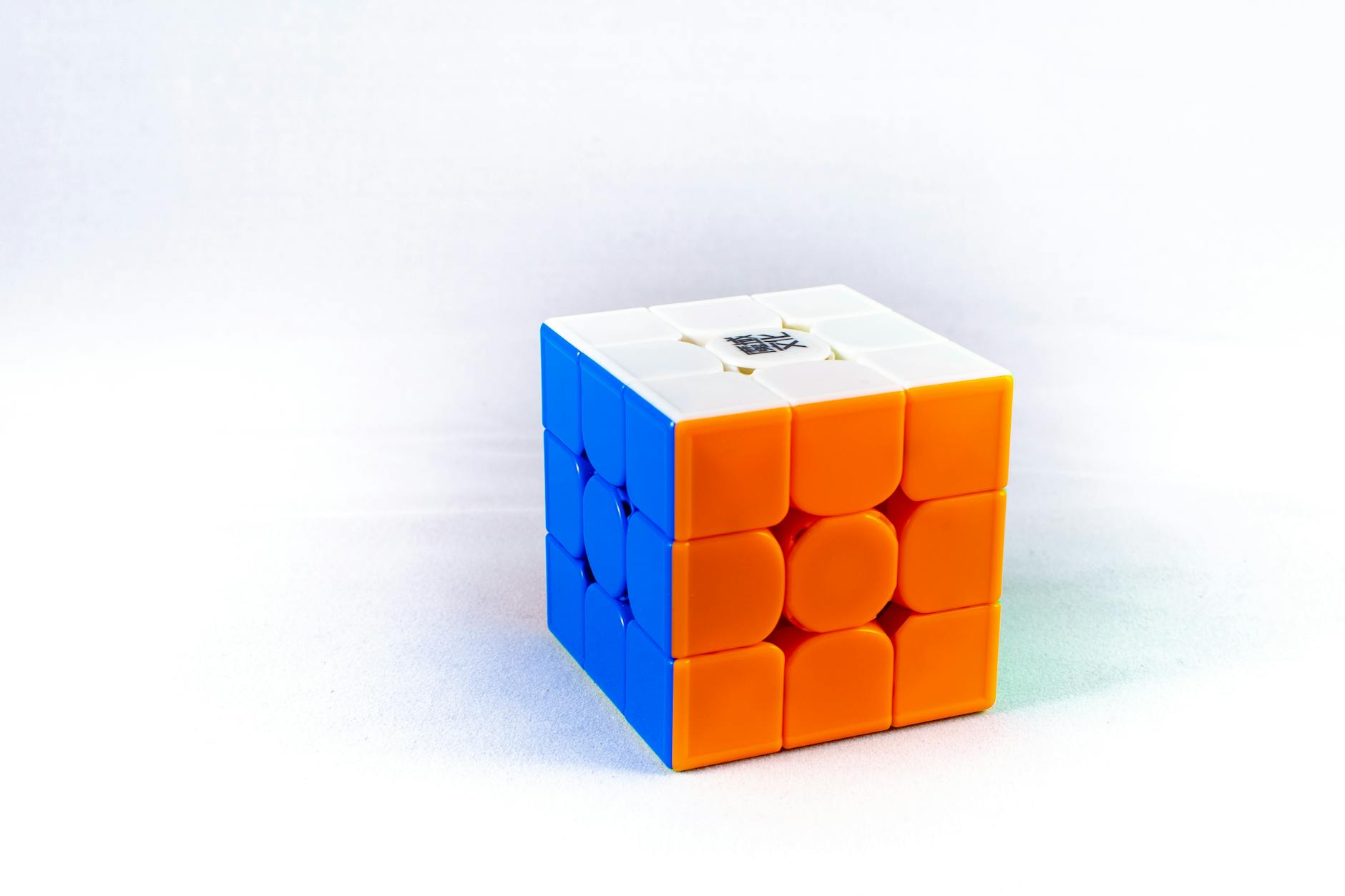
Choosing the right promotional merchandise can feel a lot like solving a puzzle — and not the fun kind. Marketing teams across Sydney, Melbourne, Brisbane, and beyond are constantly navigating a maze of product options, decoration methods, minimum order quantities, and budget constraints. But what if you applied the same strategic, step-by-step logic used in cool maths games to your branded merchandise decisions? That kind of structured, problem-solving thinking could be exactly what your next campaign needs. In this guide, we’re breaking down how methodical, game-like planning can transform the way your business, sports club, or marketing team approaches promotional products — and help you score better results every single time.
What Cool Maths Games Logic Actually Means for Promo Strategy
At its core, the appeal of cool maths games lies in their structure: you’re given constraints, a clear goal, and a set of tools — and you have to find the most efficient path to success. Sound familiar? That’s exactly what managing a promotional merchandise project looks like in practice.
Think about a Melbourne-based corporate events team preparing for a national conference. They have a fixed budget, a deadline, a target audience of 500 delegates, and a brand identity to protect. The decisions they make — which products to choose, how many to order, which decoration method to use — all require the same kind of logical, layered thinking you’d apply to a strategy game.
This mindset shift is powerful. Instead of defaulting to the same old branded pens and tote bags, teams that approach merch decisions with strategic intent tend to get far more mileage from their spend. They ask the right questions: Who is receiving this product? What behaviour do we want to reinforce? Where will this item be seen or used? What’s the lifetime value of this piece of merchandise in terms of brand impressions?
Understanding why a brand is important is the first step — because every merch decision should ladder up to brand-building, not just box-ticking.
The Rules of the Game: Setting Your Merchandise Brief
Every good strategy game starts with a clear set of rules. In the promotional products world, these are the parameters of your merchandise brief. Getting this right before you approach a supplier will save you time, money, and significant stress.
Define Your Objective First
Are you trying to reward loyal clients? Generate leads at a trade show? Build team culture across your organisation? Recognise outstanding volunteers at your charity? Each objective calls for a completely different product category and price point. A Perth corporate law firm gifting premium clients will take a very different approach from a Gold Coast sports club ordering gear for their junior players.
For high-value client gifting, consider laser-engraved drinkware, personalised photo frames, or custom leather goods. Our article on engraving with laser is a brilliant starting point if you’re exploring premium personalisation options that really impress.
Know Your Numbers Before You Commit
Here’s where the maths really matters. Promotional products are priced on a per-unit basis with tiered bulk pricing — meaning the more you order, the lower your unit cost. But ordering far more than you need just to hit a lower price point isn’t always the smartest move.
A common rule of thumb: order 10–15% more than your expected need to account for last-minute additions and stock management. Most products carry minimum order quantities (MOQs) starting anywhere from 25 to 100 units depending on the product and decoration method.
Setup fees are also a real consideration. Screen printing, embroidery, and pad printing all carry one-off setup costs that are amortised across your order quantity — another reason why the per-unit cost drops as your volume increases.
Applying Game-Like Strategy to Product Selection
Once you know your objective and have a rough budget in mind, the product selection phase begins. This is where strategic thinking pays dividends.
Match the Product to the Recipient
The best promotional merchandise is useful, relevant, and aligned with the recipient’s lifestyle. It’s not about what looks impressive in a catalogue — it’s about what will actually be kept and used. A branded item that sits in a drawer adds zero value to your marketing spend.
For outdoor events or sporting occasions, consider custom picnic blankets or wholesale umbrellas — practical items that get used in social settings and deliver ongoing brand impressions. For corporate wellness programmes, promotional massage tools are a genuinely thoughtful gift that positions your brand as caring and considered.
If your audience skews younger or more tech-savvy, customised phone accessories are a brilliant choice. Customised phone covers offer excellent branding real estate and are items people use multiple times a day — which means repeated brand exposure without any additional spend.
Think About Decoration Before You Choose the Product
This is a mistake many first-time buyers make: falling in love with a product before considering how it’ll actually be decorated. The decoration method fundamentally affects the look, durability, and cost of your finished merchandise.
Embroidery suits structured items like caps, polos, and jackets, giving a premium, textured finish. Screen printing is cost-effective for flat surfaces like t-shirts and tote bags when you’re ordering in volume. Laser engraving delivers a sophisticated, permanent result on metal and timber products. Sublimation is ideal for full-colour, edge-to-edge designs on polyester garments and drinkware.
Matching your decoration method to your product and artwork complexity is a non-negotiable step in the planning process. If you’re working with a complex logo or limited colour palette, you’ll want to flag this early with your supplier.
Levelling Up: Eco-Friendly and Trend-Forward Choices
The smartest players in any game know when to adapt their strategy based on changing conditions. Right now, one of the biggest shifts reshaping the promotional products industry is the push toward sustainability — and Australian organisations are increasingly expected to align their merch choices with their environmental values.
Understanding the sustainability trends in the promotional product industry is essential reading for any marketing team wanting to stay ahead of the curve. Eco-conscious products aren’t a niche anymore — they’re a mainstream expectation, particularly in government, education, and the not-for-profit sector.
Consider sustainable promotional gifts like bamboo drinkware, recycled tote bags, seed paper notebooks, or reusable beeswax wraps. These products communicate your brand’s values clearly and tend to resonate deeply with environmentally aware audiences. Our guide to sustainable promotional merchandise covers the full spectrum of available options.
For events and conferences, tote bags made from organic cotton or recycled PET are perennial favourites — practical, visible, and genuinely useful beyond the event itself. A Sydney not-for-profit hosting an annual gala, for instance, might opt for branded tote bags filled with eco-friendly goodies rather than traditional showbags.
Don’t overlook the importance of staying across the latest promotional merchandise trends more broadly — whether that’s the rise of wellness gifting, the demand for premium customisation, or the shift toward experiences over objects.
Managing the Project: Timelines, Proofs, and Delivery
Even the most brilliant strategy falls apart with poor execution. Here’s a quick framework for managing your merch project efficiently:
Allow sufficient lead time. Standard turnaround for most promotional products is 10–15 business days from proof approval. If you’re ordering for a specific event, work backwards from that date and add at least a week’s buffer. Rush orders are possible but costly.
Always request a proof. Whether it’s a digital mock-up or a pre-production sample, never approve an order for large quantities without seeing how your artwork will look on the finished product. PMS colour matching should be discussed upfront if brand consistency is critical.
Centralise your artwork files. Having your logo ready in vector format (AI, EPS, or high-resolution PDF) will speed up the process considerably and avoid additional artwork fees.
Plan for distribution. If you’re sending merchandise to multiple locations across Australia — say, offices in Adelaide, Darwin, and Hobart — factor in freight costs and logistics as part of your budget.
For event-specific items, consider products like wristbands for events for access control and brand visibility, or promotional bottle stoppers for hospitality-themed gifting that leaves a lasting impression.
Don’t forget the smaller details that can elevate your gift — branded packaging, custom pens with your logo, or even custom stubby holders for a relaxed, Aussie-flavoured touch that works brilliantly at outdoor events and sporting functions.
Conclusion: Cool Maths Games Logic Wins the Merch Game
Applying structured, logical thinking to your promotional merchandise strategy isn’t overcomplicating things — it’s exactly what separates organisations that waste their merch budget from those that genuinely move the needle. Like the best cool maths games, the most successful promo campaigns are built on clear objectives, smart constraints, and iterative decision-making.
Here are the key takeaways to carry forward:
- Start with your goal, not the product — everything flows from a clearly defined objective
- Know your numbers before you commit — MOQs, setup fees, and bulk pricing tiers all affect your true cost per unit
- Match the product to the recipient — useful, relevant merchandise generates far more brand impressions than generic giveaways
- Choose your decoration method early — it influences product selection, budget, and artwork requirements
- Embrace sustainability — eco-friendly merch choices reflect your brand values and resonate with modern Australian audiences
- Allow adequate lead time — rushed orders cost more and deliver less
With this approach in your toolkit, your next promotional merchandise project becomes less of a gamble and more of a well-played game — one your brand is set up to win.