
Why Is a Brand Important? What Australian Businesses Need to Know
Discover why branding matters for Australian businesses, marketing teams & sports clubs — and how branded merchandise brings your brand to life.

Written by
Dane Santos
Branding & Customisation
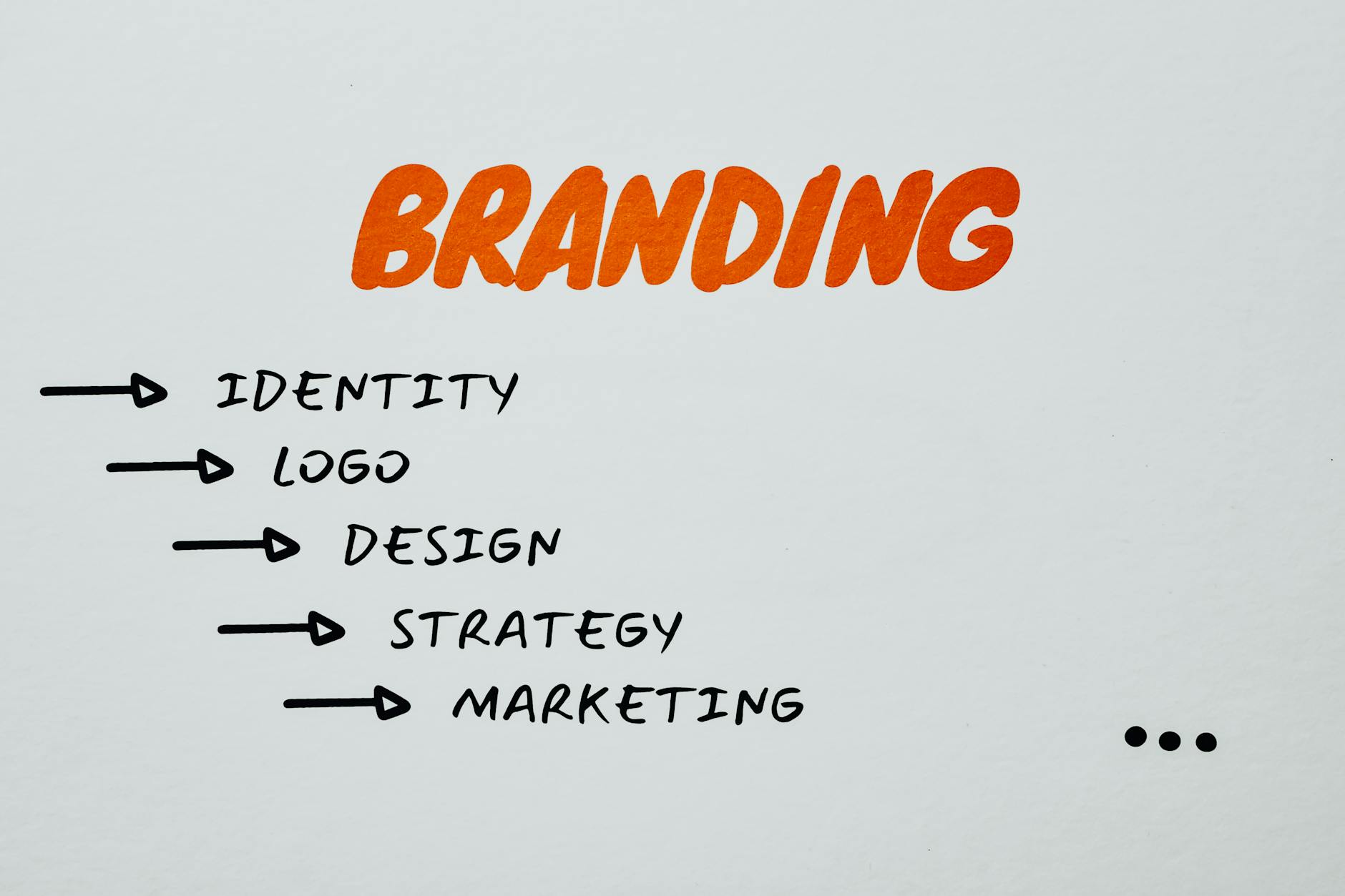
Every successful Australian business, from a family-run café in Hobart to a national corporate brand headquartered in Sydney, has one thing in common: a brand that people recognise, trust, and connect with. But why is a brand important beyond just a logo on a business card? The answer runs far deeper than aesthetics. Your brand is the promise you make to your customers, the personality behind your products, and the story that makes you memorable in a crowded market. For marketing teams, small business owners, and sporting clubs across the country, understanding the true power of branding is the first step toward building something that genuinely lasts.
What Does “Brand” Actually Mean?
Before diving into why a brand matters, it’s worth clarifying what we’re actually talking about. A brand is not simply your logo, your colour palette, or your tagline — though those visual elements are certainly part of it. Your brand is the entire experience a person has with your organisation. It’s how your team answers the phone, how your packaging looks when it arrives, how your staff dress on a job site, and how your social media posts make someone feel.
Brand identity encompasses:
- Visual elements — logo, colours, typography, imagery
- Verbal elements — tone of voice, messaging, taglines
- Emotional associations — values, reputation, trust
- Physical touchpoints — uniforms, signage, merchandise, packaging
When all of these elements work together consistently, something powerful happens. People start to recognise your brand before they even consciously register it. That recognition builds familiarity, and familiarity builds trust.
Why Is a Brand Important for Business Growth?
Here’s the practical truth: businesses with strong brands grow faster, attract better clients, and retain more loyal customers than those without a clear identity. Let’s break down the key reasons why.
It Creates Instant Recognition
Think about the brands you interact with daily. You can spot them from a distance — on a delivery van, on a reusable coffee cup, on a colleague’s hoodie. That instant recognition doesn’t happen by accident. It’s the result of consistent branding across every touchpoint. For a Melbourne-based marketing team running a product launch, that might mean branded merchandise, event materials, and staff uniforms all carrying the same visual identity. When everything aligns, your brand becomes a shortcut in the customer’s mind: I know this business. I trust it.
It Builds Trust and Credibility
Customers — whether they’re businesses purchasing B2B services or consumers buying retail products — are more likely to choose companies they perceive as established and professional. A consistent, polished brand signals that you take your business seriously. This is especially important in industries where trust is paramount: healthcare, finance, government, and education.
For example, a Perth-based building company investing in promotional branded asbestos awareness kits isn’t just fulfilling a compliance obligation — they’re reinforcing their identity as a safety-conscious, professional organisation that their clients and subcontractors can rely on.
It Commands Premium Pricing
A strong brand allows you to charge more. Customers pay a premium for brands they believe in, because the perceived value exceeds the functional value alone. This is true in virtually every product category. When your branding communicates quality, reliability, and expertise, price becomes less of a barrier.
It Attracts and Retains Talent
Your brand doesn’t only speak to customers — it speaks to potential employees, too. In a tight labour market, a compelling employer brand is a genuine competitive advantage. Staff who wear your logo proudly, carry your branded merchandise, and speak positively about your culture become walking brand ambassadors.
The Role of Branded Merchandise in Brand Building
One of the most effective and often underestimated tools for brand building is physical, tangible merchandise. Unlike a digital ad that disappears the moment someone scrolls past, a quality branded item sits on a desk, travels on a commute, and gets used day after day — putting your brand in front of people repeatedly over weeks, months, or even years.
The promotional products industry in Australia has seen consistent growth, and for good reason. Branded merchandise delivers a cost-effective, long-lasting brand impression that digital marketing simply can’t replicate in the same tactile way.
Choosing the Right Merchandise to Represent Your Brand
The products you choose to brand are a direct reflection of your values. If your business positions itself as environmentally responsible, handing out single-use plastic items sends entirely the wrong message. Instead, brands in this space tend to opt for sustainable promotional merchandise or sustainable promotional gifts that align with their ethos.
Meanwhile, a hospitality business might reinforce its eco-credentials through practical items like reusable silicone branded straws — a small but meaningful choice that communicates brand values every single time they’re used.
For corporate wellness-focused brands, merchandise like promotional massage tools for workplace wellbeing programs can strengthen an employer brand built around employee care.
The key principle is alignment. Every branded item you put into the world should feel like a natural extension of who you are.
Why Is a Brand Important for Sporting Clubs?
Branding isn’t just for corporations. Australian sporting clubs — from local footy clubs in Adelaide to regional netball associations in regional Queensland — stand to gain enormously from investing in their brand identity.
A strong club brand does several things at once:
- Creates community and belonging — matching kits, branded bags, and supporter merchandise make members feel part of something bigger
- Attracts sponsors — a professional, well-branded club is far more appealing to corporate sponsors than one without a cohesive identity
- Drives merchandise revenue — supporters love to buy gear that connects them to their team
- Builds junior participation — kids and families are drawn to clubs that look and feel established
Practical merchandise choices for sporting clubs include custom apparel, branded tote bags, event wristbands, and accessories like personalised phone covers for fundraising or supporter packs. For clubs running outdoor events or fetes, items like promotional kites or wholesale umbrellas with club branding make excellent giveaway items that keep your identity visible.
Community organisations like Lions Clubs in Perth are excellent examples of how non-commercial entities can still leverage branded merchandise to build recognition, rally volunteers, and engage their communities.
Consistency Is Everything
The single most important rule in branding is consistency. A brand that looks different on every platform, changes its tone of voice depending on who’s writing, or uses unbranded packaging after sending beautifully designed emails creates confusion — and confused customers don’t convert.
This is why professional marketers invest in brand guidelines: documented rules about logo usage, colour codes, typography, tone of voice, and approved photography styles. When it comes to branded merchandise, this means working with suppliers who can match your exact brand colours (including PMS colour matching for print-based products), maintain consistent logo sizing, and deliver quality that reflects your standards.
If you’re new to ordering branded products, it’s worth understanding decoration methods — the way your logo is applied to a product matters significantly. Embroidery on a polo shirt communicates differently to a screen-printed design on a t-shirt. Laser engraving on a premium gift conveys prestige that pad printing on the same item wouldn’t achieve.
Staying Ahead: Brand and Merchandise Trends
Branding doesn’t stand still. Consumer expectations evolve, and smart brands evolve with them. The latest sustainability trends in the promotional products industry show a clear and accelerating shift toward eco-conscious merchandise choices. Brands that lead on sustainability aren’t just doing the right thing — they’re also meeting customer expectations head-on.
You can also explore the emerging trends shaping the promo industry and the promotional products market trends for 2026 to stay ahead of what’s coming and ensure your branded merchandise strategy positions you as a forward-thinking organisation.
Budgeting Your Brand Investment
One common concern for small businesses and sporting clubs is cost. The good news is that building a strong brand through merchandise doesn’t require an enormous budget — it requires smart planning. Our promotional product budgeting guide for small businesses walks through exactly how to allocate your spend effectively, understand MOQs, and get the best value from every dollar.
There are branded merchandise options at virtually every price point. A Brisbane primary school doesn’t need to spend thousands to run a well-branded sports day — thoughtfully chosen, consistently branded items can make a big impression on a modest budget.
Conclusion: Key Takeaways on Why a Brand Is Important
Understanding why a brand is important is the foundation of any effective marketing strategy — whether you’re a corporate marketing team in Canberra, a startup launching in Melbourne, or a suburban sporting club in Perth. Here’s what to take away:
- A brand is more than a logo — it’s the entire experience people have with your organisation, across every touchpoint and interaction
- Strong brands build trust and recognition, which translates directly into customer loyalty, premium pricing power, and business growth
- Branded merchandise is one of the most cost-effective brand-building tools available, delivering long-lasting impressions that digital channels can’t replicate
- Consistency is non-negotiable — every product, communication, and visual element should reinforce the same brand identity
- Sporting clubs and community organisations benefit just as much as businesses from investing in a clear, compelling brand
- Stay aligned with trends — sustainable, thoughtful merchandise choices reflect well on your brand and meet evolving consumer expectations
Your brand is one of your most valuable assets. Invest in it intentionally, protect it consistently, and let every piece of branded merchandise you put into the world tell the story you want to be known for.