
Kids Backpacks as Promotional Products: The Complete Australian Buying Guide
Discover how to use branded kids backpacks as powerful promotional products for Australian businesses, schools, and sports clubs.

Written by
Lucy Hassan
Bags & Totes
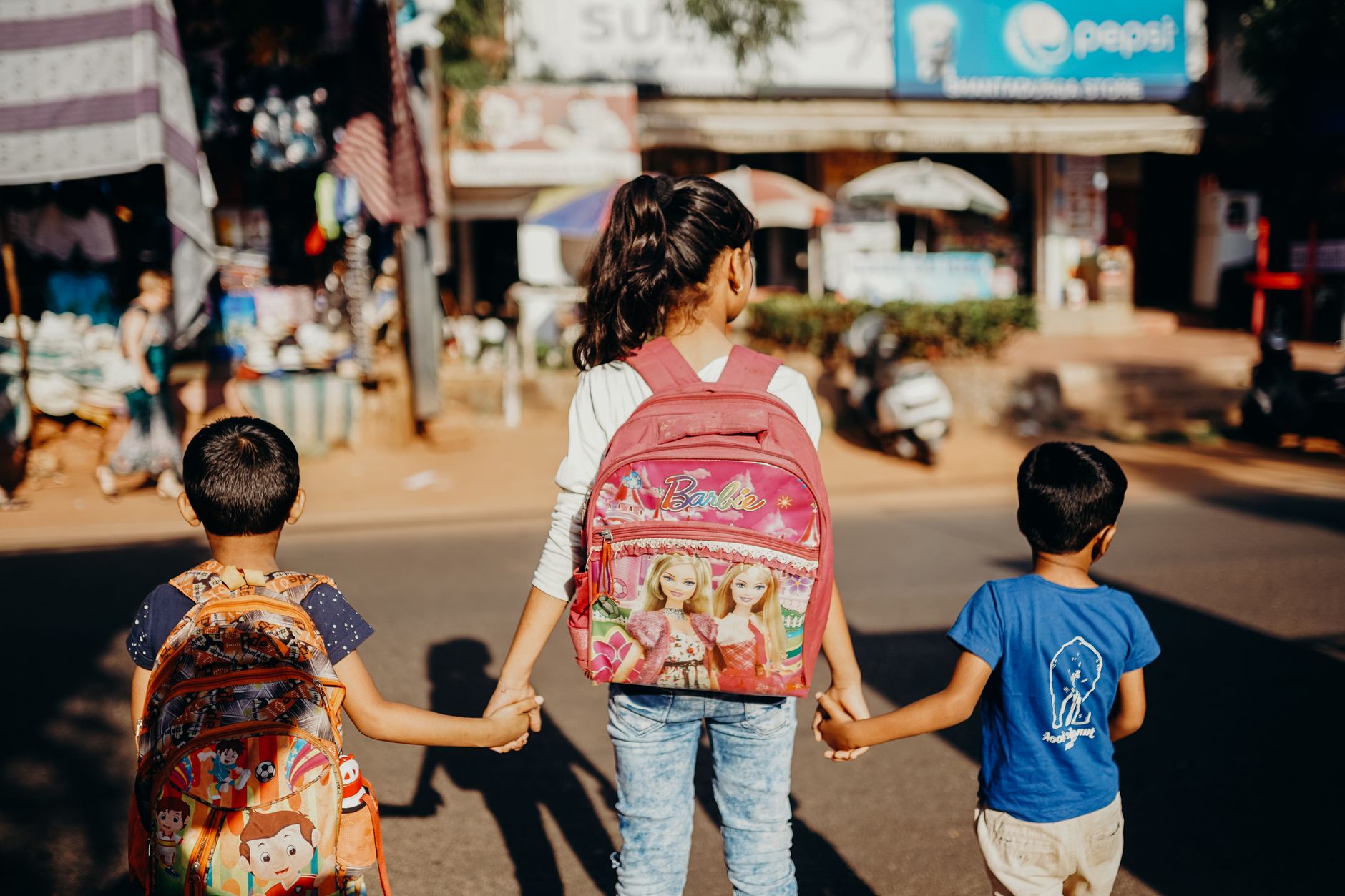
Choosing the right promotional product for a younger audience is one of the most rewarding — and most nuanced — briefs a marketing team can take on. A branded kids backpack sits at the sweet spot of practicality, visibility, and genuine everyday use. Unlike a novelty giveaway that ends up in a drawer, a quality backpack goes to school, to sport, to weekend adventures, and to every place in between. For Australian businesses, schools, and sports clubs looking to build brand recognition with families, the humble kids backpack deserves serious consideration.
Whether you’re a Brisbane sports club kitting out new junior members, a Sydney-based charity running a school readiness programme, or a Melbourne marketing team planning a family-oriented trade show, understanding how to source, brand, and distribute a kids backpack effectively will make or break your campaign. This guide covers everything you need to know.
Why a Branded Kids Backpack Makes Such a Powerful Promotional Product
Let’s start with the obvious: kids carry backpacks constantly. From the moment a child starts primary school, a backpack becomes one of their most used possessions — worn five days a week during the school term, taken to training, packed for sleepovers, and hauled on family holidays.
That kind of daily exposure translates directly into brand impressions. A well-branded kids backpack that lasts two to three years will generate thousands of views from teachers, other parents, grandparents, coaches, and peers. It’s essentially a walking billboard at peak times — school drop-off and pick-up — when dozens of adults in your target demographic are standing right there, paying attention.
Compare this to a branded pen or a customised wristband for events — both excellent promotional items in their own right — and the scale of visibility a backpack delivers becomes clear.
There’s also the trust factor. When a brand puts its name on something that a parent uses every day for their child, it signals quality and genuine investment in the relationship. That’s a powerful brand message without a single word of copy.
Understanding the Kids Backpack Product Category
Before you jump into ordering, it’s worth understanding the different types of kids backpacks available through Australian promotional suppliers.
Toddler and Kindy Backpacks (Ages 2–5)
These are small, lightweight bags with simple zip compartments, often designed to carry a lunchbox, spare clothes, and a drink bottle. They typically measure around 28–32 cm in height and are popular with childcare centres, maternal health services, and family-focused brands. Because of their compact size, the branding area is smaller — usually a front pocket panel or a top flap.
Primary School Backpacks (Ages 5–12)
This is the most popular category for promotional use. These bags are sized to fit A4 folders, books, and lunch kits, with multiple compartments, padded shoulder straps, and often a padded back panel for comfort. The branding real estate is generous — you typically have a large front panel or the main compartment back for screen printing, embroidery, or heat transfer decoration.
Junior Sports and Activity Bags (Ages 8–14)
These are the crossover bags that bridge the gap between a school backpack and an adult day bag. Drawstring backpacks also fall into this zone — they’re lightweight, low-cost, and enormously popular with junior sporting clubs, school carnivals, and community events. A Gold Coast surf club outfitting its junior grommets, for example, might opt for drawstring bags in club colours with a simple screen print logo on the back panel.
Decoration Methods for Kids Backpacks
Getting the branding right on a kids backpack is just as important as choosing the right bag. The most common decoration methods you’ll encounter are:
Screen Printing
Ideal for bold, one to three colour logos on polyester or nylon backpacks. Screen printing delivers vibrant, flat colour coverage and holds up well through regular washing and wear. It’s cost-effective for medium to large runs (typically 50+ units) and the go-to choice for many schools and sporting clubs.
Embroidery
Embroidery adds a premium, tactile finish that’s particularly popular on structured backpacks with fabric panels. It’s durable and looks sophisticated, which is why it’s favoured by private schools and corporate family event merchandise. If you’re exploring decoration options more broadly, our guide to laser engraving and how it works provides useful context for understanding how different decoration methods suit different materials and finishes.
Heat Transfer
Heat transfer printing (including sublimation on certain fabric types) allows for full-colour, photo-quality artwork — perfect if your logo is complex or multicoloured. It works well on flat, smooth panels and is increasingly accessible for smaller runs.
Sublimation
For all-over print backpacks or bags with vivid, edge-to-edge designs, sublimation is the premium option. It requires polyester-based fabric and the costs are higher, but the visual impact is outstanding for brand activations where standout matters.
How to Brief a Kids Backpack Order: Key Considerations
Getting your brief right from the start saves time, money, and rework. Here are the practical details every marketing manager or club coordinator should nail down before going to market.
Minimum Order Quantities (MOQs)
Most Australian promotional suppliers have MOQs ranging from 25 to 100 units for kids backpacks, depending on the style and decoration method. Drawstring bags often have lower MOQs (sometimes as few as 25), while structured primary school bags with embroidery may require 50–100 units minimum to make the setup economically viable.
Turnaround Times
Standard turnaround for a branded kids backpack order in Australia is typically 2–4 weeks once your artwork is approved. If you’re ordering stock that needs to be imported and decorated offshore, factor in 6–10 weeks. If you have a firm deadline — say, a school term start or a community event — always work backwards from your distribution date and build in a buffer of at least a week.
Safety Standards
This is non-negotiable when it comes to kids products. Ensure your supplier can confirm that their bags comply with relevant Australian safety standards, particularly regarding materials, dyes, and any hardware (zips, buckles, toggles). For items distributed to children under 36 months, additional standards apply. Always ask for compliance documentation.
Artwork Requirements
Most suppliers require vector artwork (AI or EPS files) for screen printing and embroidery. For heat transfer or sublimation, high-resolution PDFs or layered files work well. If you’re uncertain about print-ready artwork, your local printing shop or a nearby printing service can often help prepare files to spec.
Choosing the Right Kids Backpack for Your Campaign
The product selection should always follow the brief, not the other way around. Ask yourself:
Who is the end user? A five-year-old starting prep has very different needs from a twelve-year-old heading to high school. Size, weight, and ergonomics matter.
What’s the bag’s primary purpose? A sports carnival freebie has different requirements than a school readiness kit distributed by a local council.
What’s your budget per unit? Kids drawstring backpacks can start around $4–$8 per unit at volume. Structured primary school bags with padded straps and multiple compartments typically range from $15–$40 per unit, depending on quality and quantity.
What’s the colour strategy? If you need PMS colour matching to hit your brand colours precisely, confirm this with your supplier upfront. Many stock bags come in set colours, and custom colour manufacturing requires much larger MOQs.
Thinking about sustainability? Increasingly, Australian organisations are looking for bags made from recycled PET (rPET) fabrics or other sustainable materials. This aligns with broader sustainability trends across the promotional product industry and lets you reinforce your brand’s environmental credentials alongside the campaign itself. For more on this approach, our articles on sustainable promotional gifts and sustainable promotional merchandise offer excellent practical guidance.
Real-World Use Cases: Kids Backpacks in Action
To make this tangible, here are a few scenarios where branded kids backpacks deliver outstanding results:
Junior Sports Clubs: A Perth junior football club ordering 150 drawstring bags in club colours for new season registrations. Each bag is screen printed with the club crest and players’ names can be added via heat transfer. The bag doubles as a training kit carrier.
School Carnivals and Events: An Adelaide primary school ordering 200 lightweight backpacks for their annual sports day, colour-coded by house. The school’s logo and the event year (2026) are screen printed on the front pocket.
Corporate Family Days: A Sydney financial services company hosting a bring-your-family event orders 100 branded kids backpacks as take-home gifts for children attending. Filled with branded snacks, a custom notebook, and a fun activity kit, the bags become a memorable branded experience.
Charity and Community Programmes: A Melbourne-based not-for-profit distributing school readiness kits includes a branded kids backpack in each pack, reinforcing their programme identity every school day.
These use cases also pair well with complementary promotional items — think branded tote bags for parents, custom stubby holders for the volunteer BBQ, or wholesale branded umbrellas for outdoor event giveaways.
Budgeting and Running a Smooth Branded Kids Backpack Campaign
A few final tips to keep your project on track:
- Request samples before committing — always order a pre-production sample or check a stock sample so you can assess quality firsthand.
- Confirm the full cost of ownership — unit price plus setup fees, freight, and GST. Setup fees for screen printing typically range from $50–$150 per colour.
- Approve your artwork proof carefully — check logo placement, colour, sizing, and text before signing off.
- Order a buffer — order 10–15% more than you need to cover breakages, last-minute additions, and future top-ups.
It’s also worth keeping an eye on the latest trends in promotional products to make sure your campaign feels current and relevant to your audience. If your brand values align with sustainability, for instance, there are excellent rPET backpack options that will resonate with environmentally conscious families.
Conclusion: Key Takeaways for Ordering Branded Kids Backpacks
A branded kids backpack is one of the highest-impact promotional products you can invest in when your audience includes families, schools, or junior sporting communities. Done well, it delivers years of brand visibility, genuine daily utility, and a positive emotional association with your brand.
Here’s a quick summary of what to remember:
- Match the bag to the age group — toddler, primary, and junior sport bags have different size, safety, and functionality requirements.
- Choose your decoration method based on artwork complexity and durability needs — screen printing for bold logos, embroidery for premium finishes, sublimation for full-colour impact.
- Plan your timeline carefully — allow at least 4 weeks for standard orders and up to 10 weeks for offshore production.
- Always confirm safety compliance — Australian standards for children’s products are non-negotiable.
- Think about the full branded experience — a kids backpack works even harder when paired with complementary merchandise and a clear campaign strategy.
With the right planning, a branded kids backpack doesn’t just give a child somewhere to carry their lunch — it puts your brand in front of the right people, every single day.