
The Complete Guide to Company Polo Shirts for Australian Businesses and Teams
Learn how to choose, customise, and order company polo shirts in Australia. Expert tips on fabrics, decoration, MOQs, and budgeting.

Written by
Cleo Wright
Custom Apparel
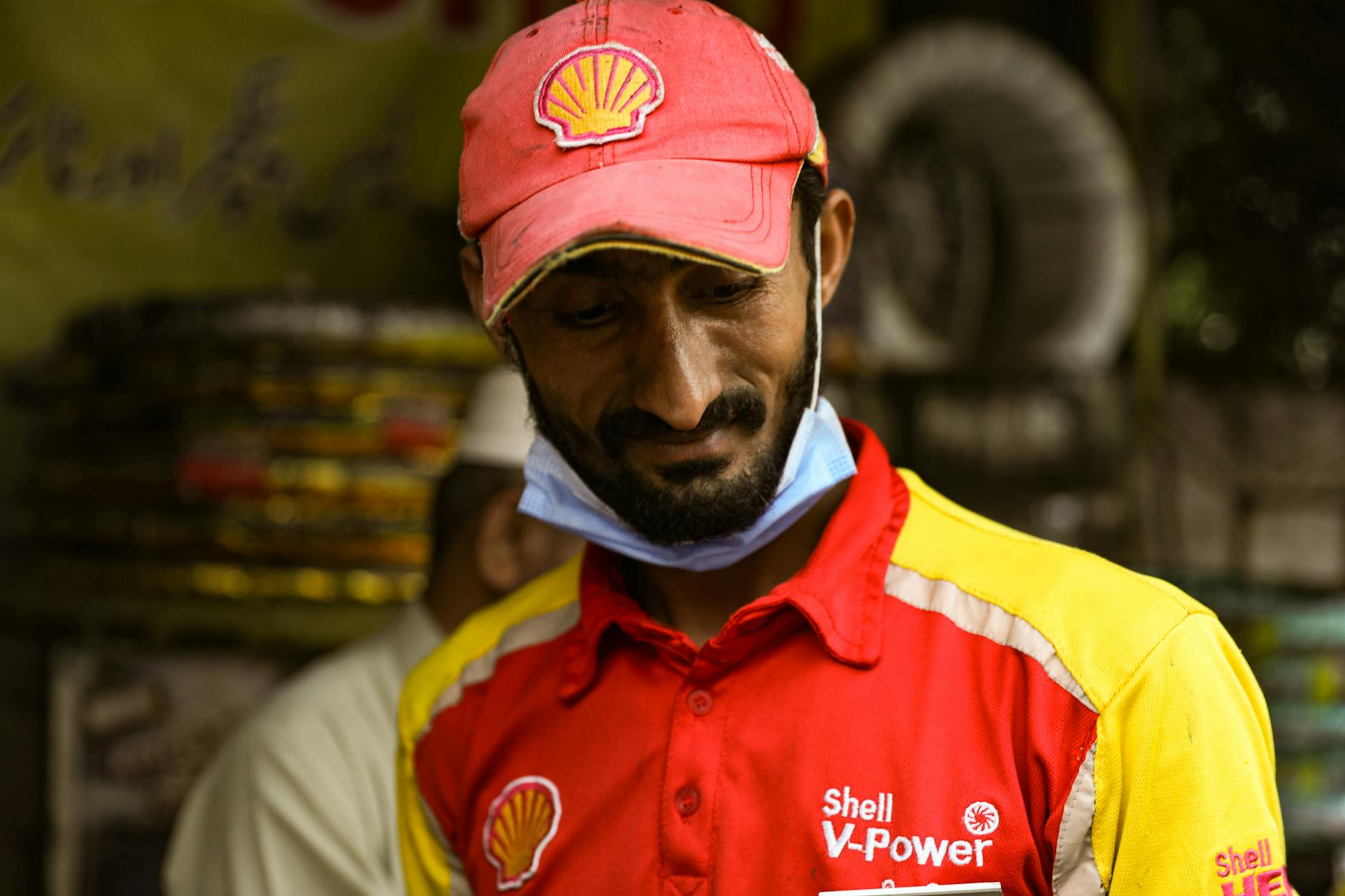
When it comes to branded workwear that strikes the perfect balance between professional and practical, few garments do the job better than the humble polo shirt. Company polo shirts are a staple across Australian workplaces, sporting clubs, and corporate events — and for good reason. They’re versatile enough to wear on the trade show floor in Melbourne, the construction site in Perth, or the school reception desk in Brisbane. But ordering branded polos for your team isn’t as simple as picking a colour and slapping on a logo. Get the details wrong, and you could end up with shirts that fade after a few washes, embroidery that looks messy on a piqué knit, or a bulk order that arrives too late for your event. This guide covers everything you need to know to get it right the first time.
Why Company Polo Shirts Remain a Workplace Classic
There’s a reason polo shirts have remained a go-to choice for Australian businesses for decades. They occupy a sweet spot in the workwear wardrobe — more polished than a t-shirt, more comfortable than a business shirt, and far more practical than either when you’re moving around on the job.
For customer-facing staff, a well-branded polo immediately communicates professionalism and brand consistency. Think about a real estate agency in Adelaide where every agent wears a matching polo with the company logo — it creates an instant visual identity that builds trust with clients. Or a Gold Coast hospitality venue where front-of-house staff wear breathable branded polos that keep them cool during a busy summer shift.
For sporting clubs and associations, polos often serve as training apparel, club uniforms, and event-day shirts all rolled into one. A Brisbane AFL club might order a batch of branded polos for coaches, officials, and committee members — separating them from the players without compromising on club identity.
The bottom line is that polo shirts work across industries, audiences, and occasions. That flexibility is exactly what makes them such a powerful branding tool.
Choosing the Right Fabric for Your Polo Shirts
One of the most important decisions you’ll make when ordering company polo shirts is selecting the right fabric. Not all polos are created equal, and the material you choose will affect everything from comfort and durability to how well your decoration holds up over time.
Cotton Piqué
Traditional cotton piqué (the textured, waffle-like weave most people associate with polo shirts) is breathable, comfortable, and holds up well in everyday workplace conditions. It’s a great option for office environments, retail settings, and customer-facing roles where shirts aren’t subjected to heavy outdoor wear. The downside is that 100% cotton can shrink slightly and may not wick moisture as effectively as synthetic blends.
Polyester and Performance Fabrics
For teams that are physically active — think sporting clubs, trades, event staff working long outdoor shifts — a polyester or poly-cotton blend is often the smarter choice. These fabrics are designed to wick sweat away from the body, dry quickly, and resist shrinking. Many sports clubs across New South Wales and Queensland rely on performance fabric polos for exactly these reasons. If your team is working outdoors in summer, breathability isn’t a luxury — it’s a necessity.
Eco-Friendly Fabric Options
Sustainability is increasingly front of mind for Australian organisations. Polos made from organic cotton, recycled polyester (often called rPET), or blended eco-fibres are now widely available and don’t compromise on quality. For councils, charities, and businesses with an environmental focus, choosing an eco-friendly polo sends a consistent message with your values. You can read more about this in our guide to eco-friendly promotional products for Australian businesses.
Decoration Methods: How to Brand Your Polo Shirts
The way your logo is applied to the shirt matters just as much as the shirt itself. Different decoration methods suit different fabrics, design complexities, and budget levels.
Embroidery
Embroidery is the gold standard for company polo shirts in corporate and professional settings. Stitched logos have a premium, durable finish that holds up wash after wash — which matters when staff are wearing these shirts daily. Embroidery works particularly well on piqué fabric and is commonly used on the left chest, sleeves, and collar.
The trade-off? Embroidery can struggle to reproduce very fine detail or gradients accurately. If your logo is highly intricate or uses very fine typography, discuss this with your decorator before committing. Typically, embroidery is priced per 1,000 stitches, so a large or highly detailed design will add to the cost. For a deeper dive into this method, check out our overview of embroidery for branded workwear.
Screen Printing
Screen printing is a cost-effective option for large quantities and bold, simple designs. It works better on smoother fabric surfaces than on textured piqué, so it’s often a better fit for performance fabric polos. If your organisation is ordering 50+ polos with a straightforward logo or design, screen printing can deliver vibrant results at a competitive price point.
Heat Transfer and Digital Printing
Heat transfer and direct-to-garment (DTG) digital printing are increasingly popular for full-colour designs, detailed artwork, or smaller runs. If your team needs a polo with a photorealistic graphic or a complex multi-colour design, these methods may be your best option. They’re particularly useful for sporting clubs that want detailed sublimated designs. See our comparison of heat transfer vs screen printing to understand which method suits your project.
Sublimation
For fully custom-designed sports polos — where even the base colour of the shirt is part of the design — dye sublimation printing produces stunning, all-over results. The ink bonds directly with the fabric, resulting in designs that won’t crack, peel, or fade. Sublimation typically works on 100% polyester garments and is a popular choice for sporting clubs and event teams wanting a premium custom look.
Sizing, Fit, and Ordering for a Diverse Team
Getting the sizing right for a team order is one of the most common pain points in the process. Australian workforces are wonderfully diverse, and a one-size-fits-all approach rarely works. Most suppliers offer sizes from XS through to 5XL, and many brands now offer both standard and fitted cuts.
A few practical tips to avoid sizing headaches:
- Collect individual sizes before placing your order. Don’t assume — send around a size guide with clear measurements and ask team members to confirm their preferred fit.
- Order a small buffer. Adding a few extra units in the most common sizes (typically M, L, and XL) protects you if new team members join or if sizes change.
- Request a pre-production sample. Many suppliers will produce a sample garment before committing to the full run. It’s worth the small additional cost to check the fit, colour, and decoration quality before hundreds of shirts are produced.
If you’re new to ordering branded apparel in bulk, our beginner’s guide to ordering custom workwear walks you through the full process step by step.
Understanding MOQs, Turnaround Times, and Budgeting
Minimum Order Quantities
Most suppliers set a minimum order quantity (MOQ) for custom polo shirts. For embroidered corporate polos, you’ll typically find MOQs starting around 12–24 units, though some suppliers accommodate smaller runs at a higher per-unit cost. Screen printed or sublimated designs often require higher MOQs — commonly 25–50 units — to make the setup costs economical.
If you’re a small business or sporting club only needing 10–15 shirts, discuss this openly with your supplier. Some will be flexible, particularly if you’re ordering a product they keep in stock.
Turnaround Times
Standard production time for custom polo shirts in Australia is typically 2–3 weeks from artwork approval, though this varies by supplier and decoration method. During busy periods — the lead-up to Christmas, major sporting seasons, or conference season — allow extra time. If you have a hard deadline, communicate it upfront and confirm the supplier can meet it before placing your order.
For urgent projects, some suppliers offer expedited turnaround (often for an additional fee). Be realistic: rushing the production process increases the risk of errors. Read our tips on managing tight deadlines for promotional merchandise if you’re working against the clock.
Budgeting
Polo shirt pricing varies significantly based on fabric quality, quantity, and decoration method. As a rough guide for the Australian market:
- Entry-level promotional polos (polyester, screen printed, 50+ units): from approximately $15–$25 per unit
- Mid-range corporate polos (cotton-poly blend, embroidered, 24–48 units): from approximately $30–$50 per unit
- Premium corporate or performance polos (high-end fabric, full embroidery, smaller quantities): $50+ per unit
Setup fees for embroidery (digitising your logo) or screen printing (creating screens) are typically charged separately and range from $50 to $150 depending on complexity. These are one-off costs — once your logo is set up, reordering is more economical. For more on managing your branded merchandise budget, see our guide to budgeting for promotional products.
Artwork and Logo Preparation
Submitting the right artwork file can save you significant time and money. For embroidery, your logo will need to be digitised — converted into a stitch file format. For print methods, a vector file (typically .AI, .EPS, or high-resolution .PDF) is required to ensure sharp reproduction at any size.
If you’re working with a supplier for the first time, ask them to send you a digital proof before production begins. Review it carefully — check the logo placement, colours (request PMS colour matching if brand consistency is critical), and overall layout. Once you approve the proof, changes become costly. For more detail on artwork preparation, our artwork file guide for branded merchandise covers the essentials.
Colour Selection and Brand Consistency
For businesses, it’s important that your polo shirts align with your brand colour guidelines. Most reputable suppliers offer PMS (Pantone Matching System) colour matching for print methods, allowing precise colour reproduction. For embroidery, thread colours are matched to PMS references as closely as possible — though it’s worth noting that thread can never perfectly replicate every brand colour, particularly fluorescents or very light tones.
For sporting clubs and associations, colour consistency across different garments and seasons matters for club identity. If you’re ordering polos alongside other apparel — hoodies, caps, or training shirts — aim to confirm all pieces together with a single supplier to ensure consistency. Our guide to building a cohesive club uniform range has more advice on this.
Sustainable and Ethical Considerations
Increasingly, Australian organisations are asking questions about where their branded apparel comes from and how it’s made. Ethical manufacturing, fair labour practices, and sustainable materials are all valid considerations when choosing a polo shirt supplier.
Look for suppliers who can provide information about their supply chain, certifications such as GOTS (Global Organic Textile Standard) or OEKO-TEX, and information about factory auditing. If this is important to your organisation, don’t hesitate to ask — a reputable supplier should be transparent about their sourcing. For more on this topic, explore our guide to ethical sourcing in branded merchandise.
Key Takeaways
Ordering company polo shirts doesn’t have to be complicated — but it does require careful planning and attention to detail. Here’s a quick summary of the most important points:
- Choose your fabric based on function: Cotton piqué suits office and retail environments; performance fabrics work better for active or outdoor roles.
- Match your decoration method to your design and budget: Embroidery is the premium choice for corporate settings; screen printing or sublimation suits sporty or vibrant designs.
- Plan ahead with sizing: Collect individual sizes from team members rather than estimating, and always order a small buffer.
- Build in enough lead time: Allow at least 3–4 weeks from artwork approval, especially during peak periods.
- Get a proof before you commit: Always review a digital proof — and, where possible, a physical sample — before approving full production.
Whether you’re outfitting a Canberra government team, a Hobart sporting club, or a Darwin hospitality business, the right branded polo shirt can be one of the most effective and lasting brand assets in your wardrobe. Take the time to get it right, and it will pay dividends every time your team steps out in public.